The Taitas (Yagé shamans) we work with and the Ayahuasca tradition in Colombia
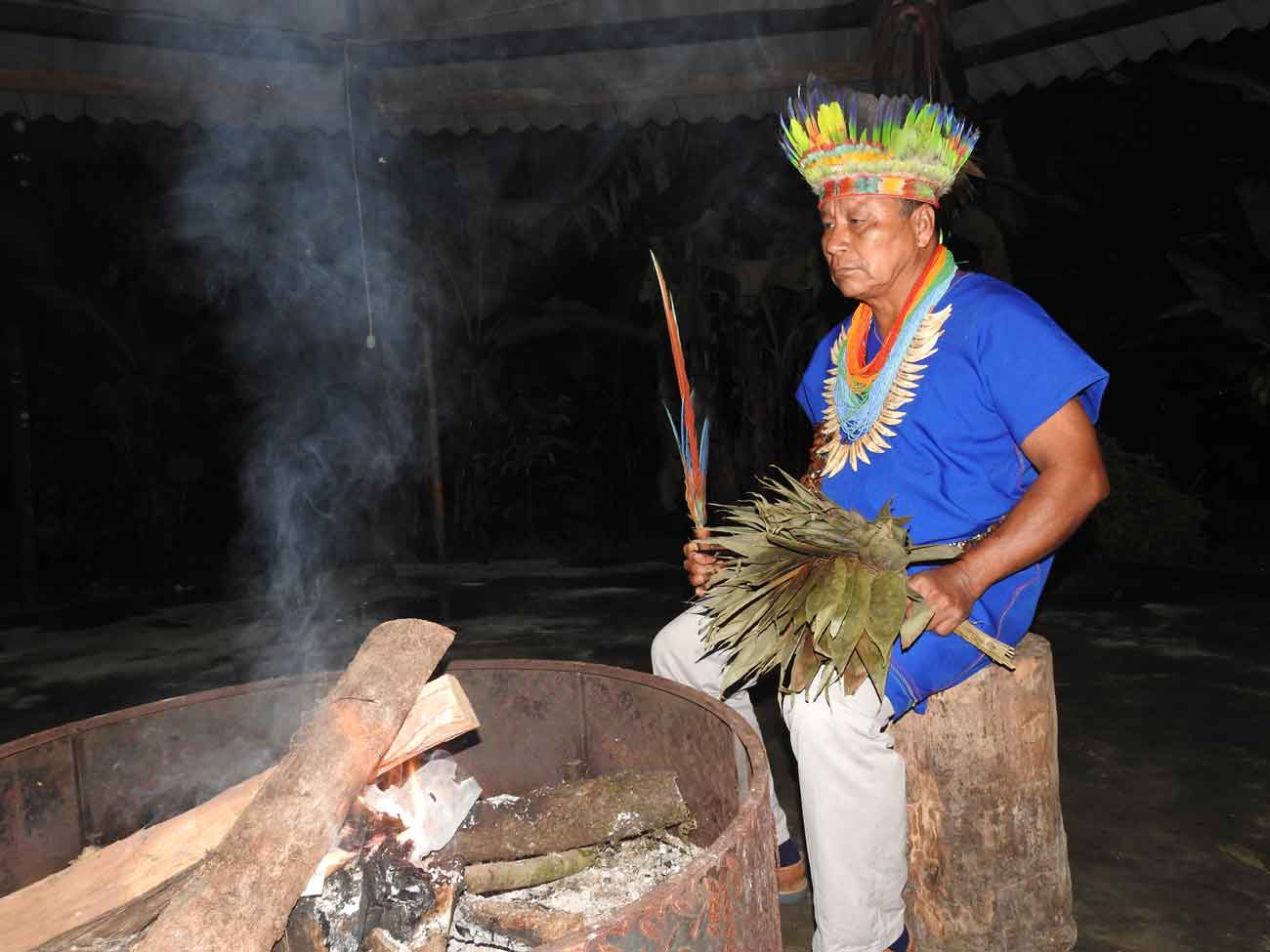
Sacred Yagé ceremony with Taita Gabino, in our Finca, in Putumayo. Photo: G. Samboni’ © El Mundo Magico
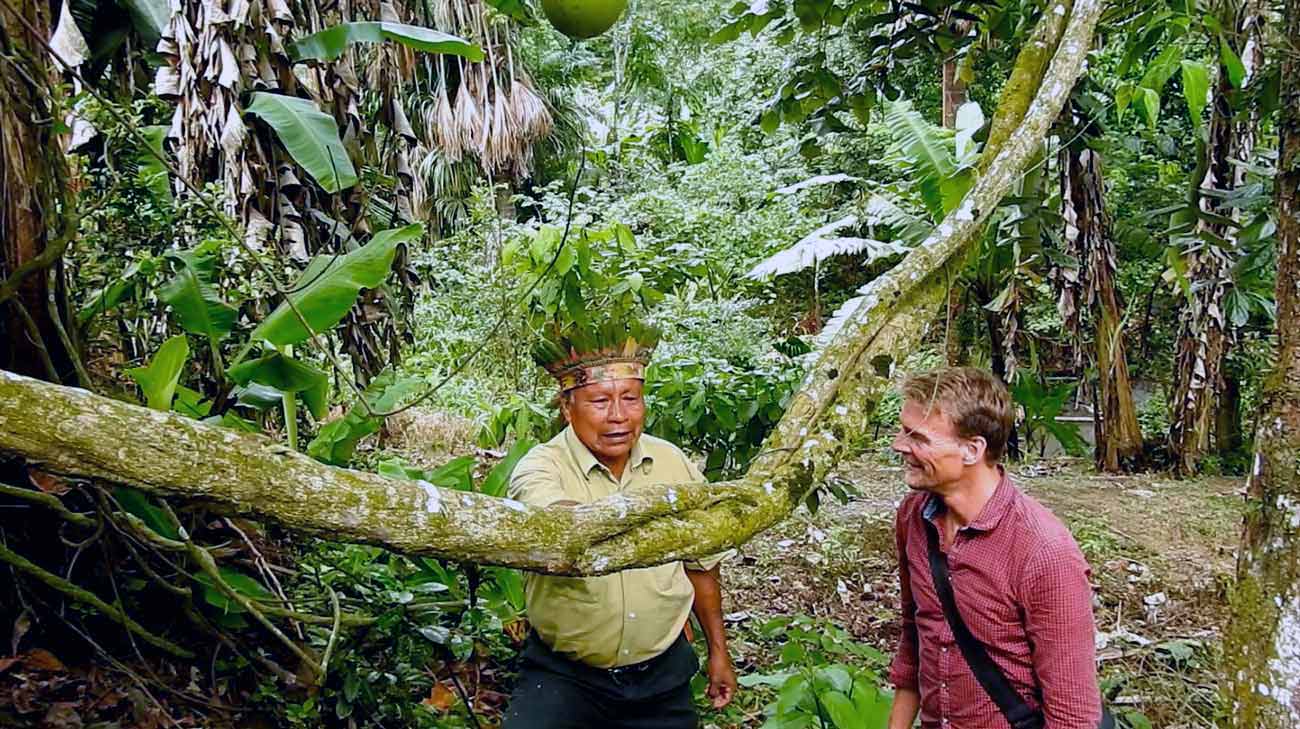
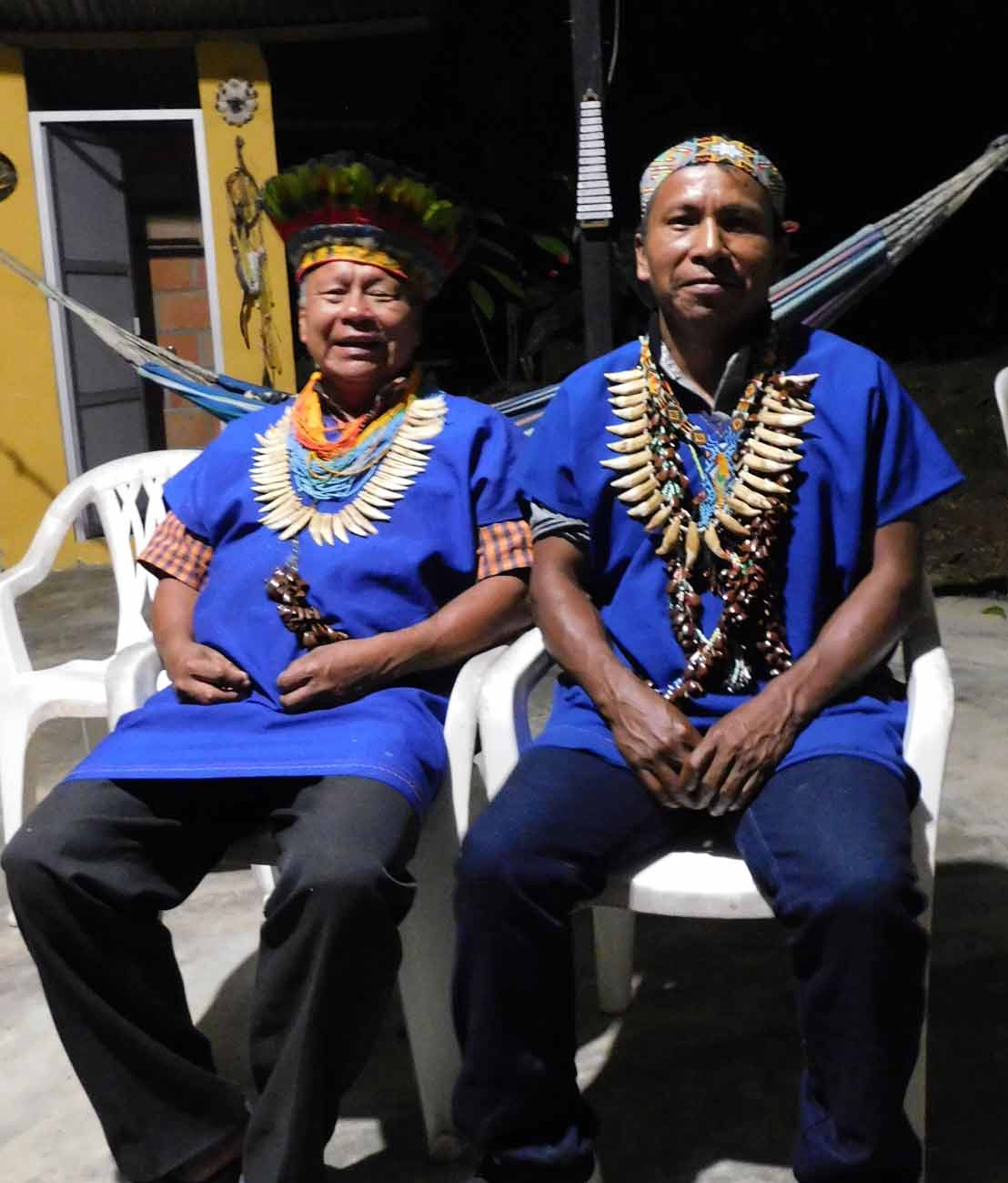
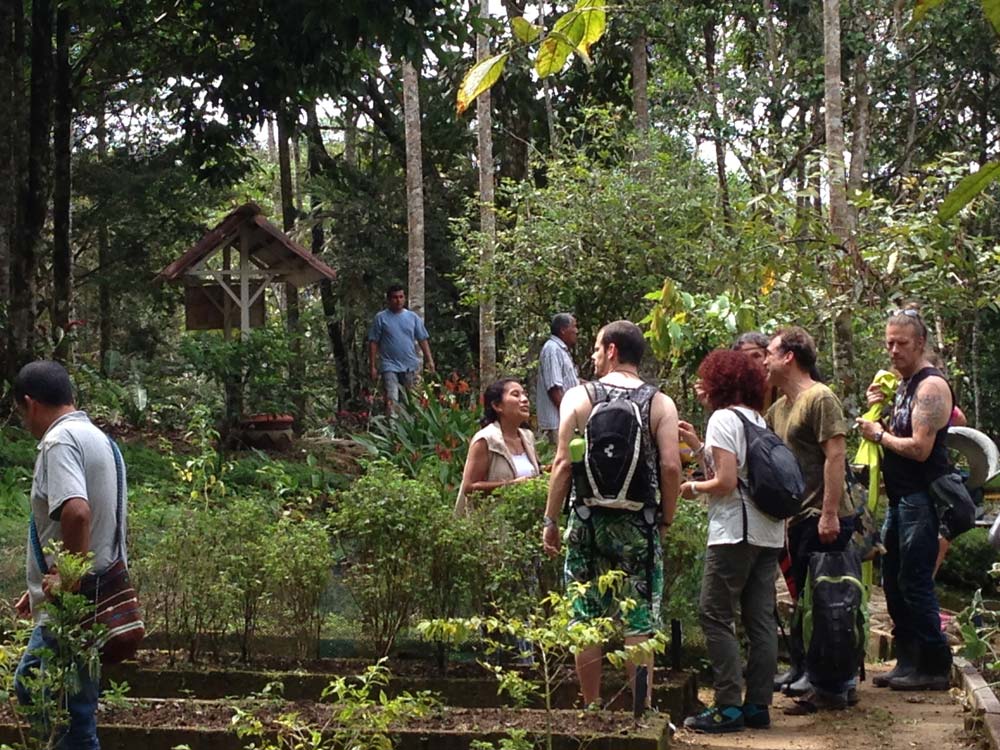
In Colombia, and especially in the Putumayo region of Southern Colombia – “where it all began”- Yagé shamans are known as “Taitas”, a Quechua word which literally means “Father”, “Guide”, “Spiritual leader” (of a community). They don’t use the word “shaman” to identify themselves, they prefer to address themselves either as “Taita”, as “Medico Yagesero” (Yagé doctor), or “Medico Yagesero Tradicional” (Traditional Yagé doctor). In Southern Colombia, in Putumayo, where we host our Finca-based intensive Yagé retreats, we have the honour of working with indigenous Yagé shamans Taita Bonifacio Gabino Garreta, from the Inga people (and whose legendary teacher was the famous Querubín Queta Alvarado, Taita Mayor of the Cofán people) and Taita Alfredo Juajibioy (from the Kamsá people).
Yagé is the traditional and preferred term with which the Ayahuasca brew (the concoction made out of Banisteriopsis caapi and various other plant admixtures) is known in Colombia. Yagé is also sometimes known by the name of “remedio” (remedy), “ambihuasca” or “ambiwáska” (medicine vine, in Inga language), or “purihuasca” (vine of purification). In Colombia there are as well some Yagé varieties – like Yagé Oro (Gold Yagé), Yagé Guacamayo (Macaw Yagé), and Yagé gente (ancestors Yagé), among others – which are hardly encountered in Peru (or else, may be known there with a different name).
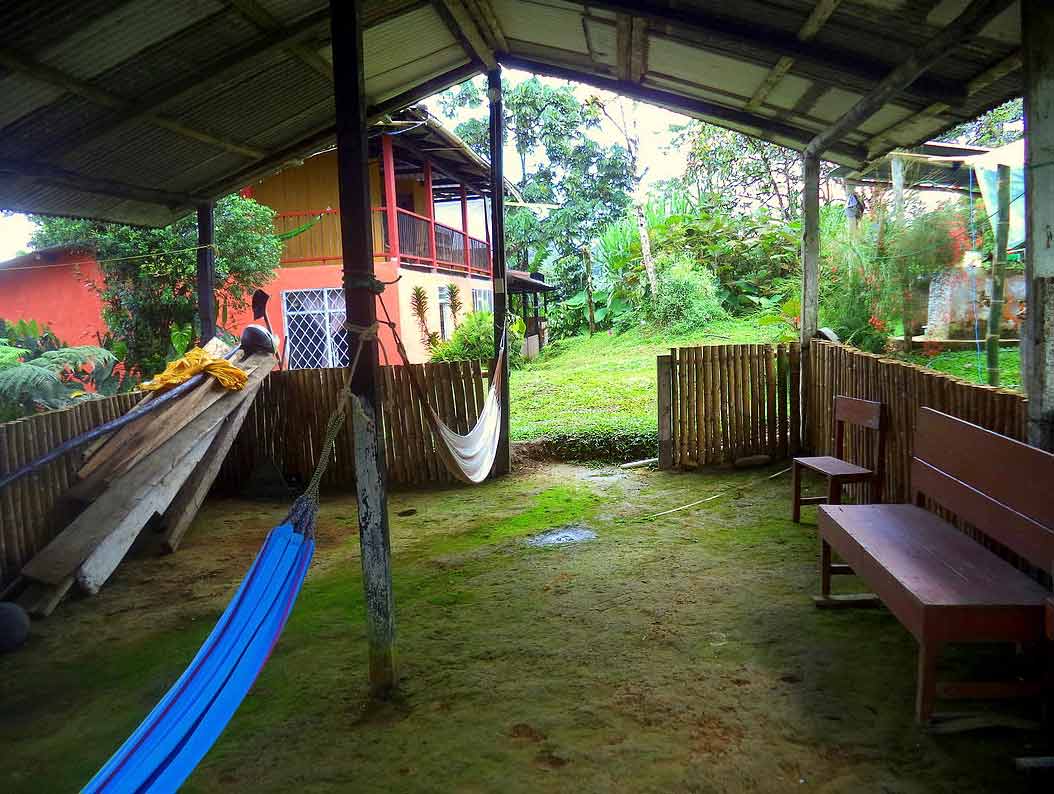
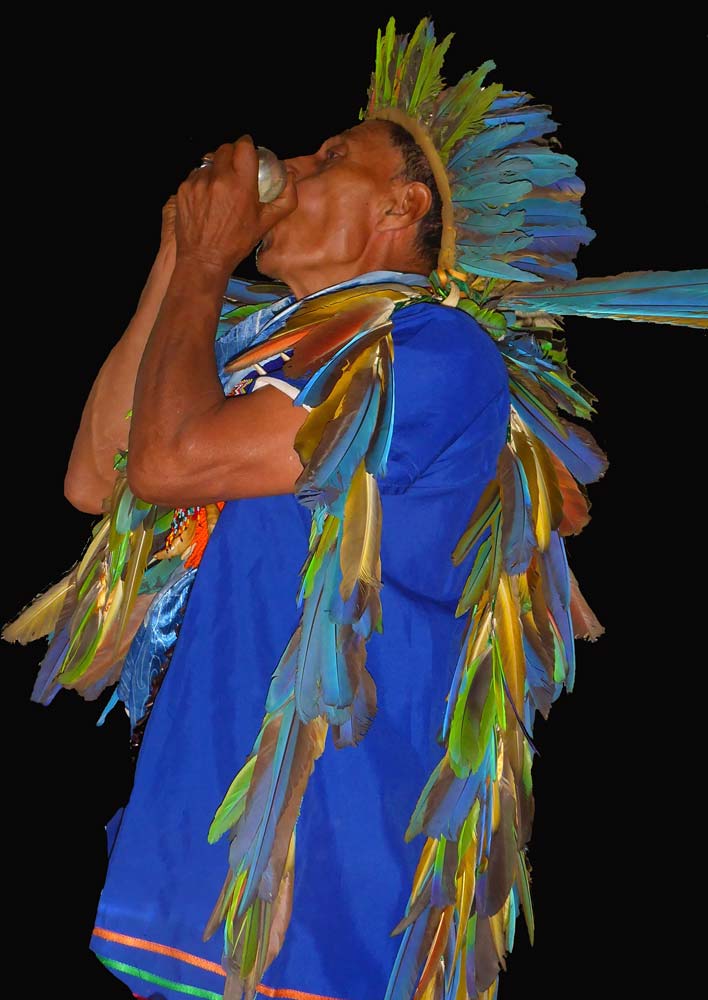
The Yagé tradition is a jealously guarded secret, and a strictly regulated business. Contrary to Peru, in Colombia one has to undergo an apprenticeship of several years, under the wings of a recognized elder, before being awarded with the title of “Taita”. The “Taita” works in the community and for the community. The phenomenon of the Ayahuasca tourism is almost non-existent in Putumayo, the vast majority of Taitas are not used to work in retreat centres (an absolute rarity in Putumayo, if any at all), they have instead a Maloka (a ceremonial hut, which may cater for a very large, medium, or small number of participants, from 100 down to 15-10), often within the boundaries of their Finca (ranch, farm, rural property, which may be located in the wilderness of the jungle, in cloud forest settings, high in the Andes mountains, or in a cool tropical wet climate off the coast, depending on the territory; it could be either in private farm land, or in indigenous community land). There the Yagé rituals take place, on a regular basis. Most of the times, and especially during important occasions, the Taitas meet and gather to celebrate with Yagé special occurrences. In gatherings of this sort, is not uncommon to find several dozens of shamans in full traditional gear, attending a special event, under the guide of their eldest shaman. A spectacular event.

Taita Alfredo playing the harmonica during a Yage ritual. Photo: J. Imbachi Ⓒ El Mundo Magico
The shamanic apprenticeship: Colombia v. Peru
Contact us to receive the FREE 61-pages shamanic plant diet apprenticeship retreat programme (3 months/13 weeks) in Peru
It is currently not possible to experience a shamanic apprenticeship with our Taitas in Putumayo. The facilities we have in our Finca in Colombia are excellent for a short-medium length Yagé retreat (1-4 weeks in length), but are not suitable for a long, proper shamanic apprenticeship in the jungle, which would require full immersion in nature, a rigorous diet and a good degree of isolation.
The shamanic apprenticeship in Peru, in our Ayahuma retreat venue, can last from 45 days to 6 months, and takes places in our retreat venue in the jungle, immersed in 70 hectares of privately-owned Amazon rainforest, surrounded countless plant teachers, medicinal plants and master trees.
The stunning beauty of the cloud-forest of Putumayo, in Colombia, may happily be experienced as part of daily excursions to complement our Yagé retreat instead (most of large wilderness spots in Putumayo are either in the public domain of State ownership, or indigenous-community-owned). Moreover, whilst in Peru we have all our journeys facilitated in Spanish and English, we currently do not offer that set-up in Colombia, making the choice of the Yagé retreat most suited to those who already speak Spanish. We recommend a good intermediate level of Spanish to attend the retreat, but as long as you can understand and be understood, you should be fine!
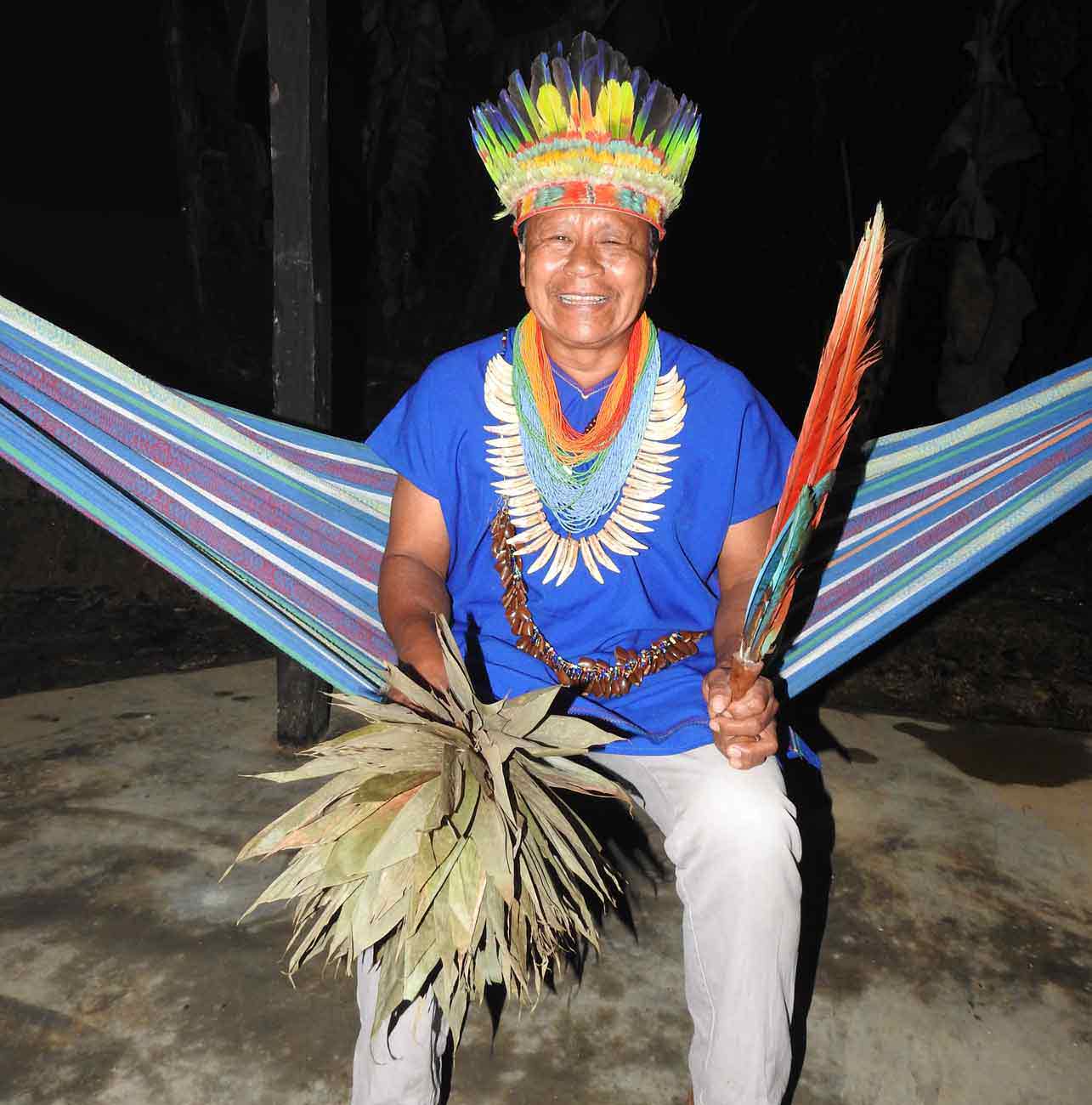
Magical Yagé ceremony with Taita Gabino, in our Finca, in Putumayo. Photo: G. Samboni’ © El Mundo Magico
How the Taitas prepare Yagé and what’s the difference with Peru?
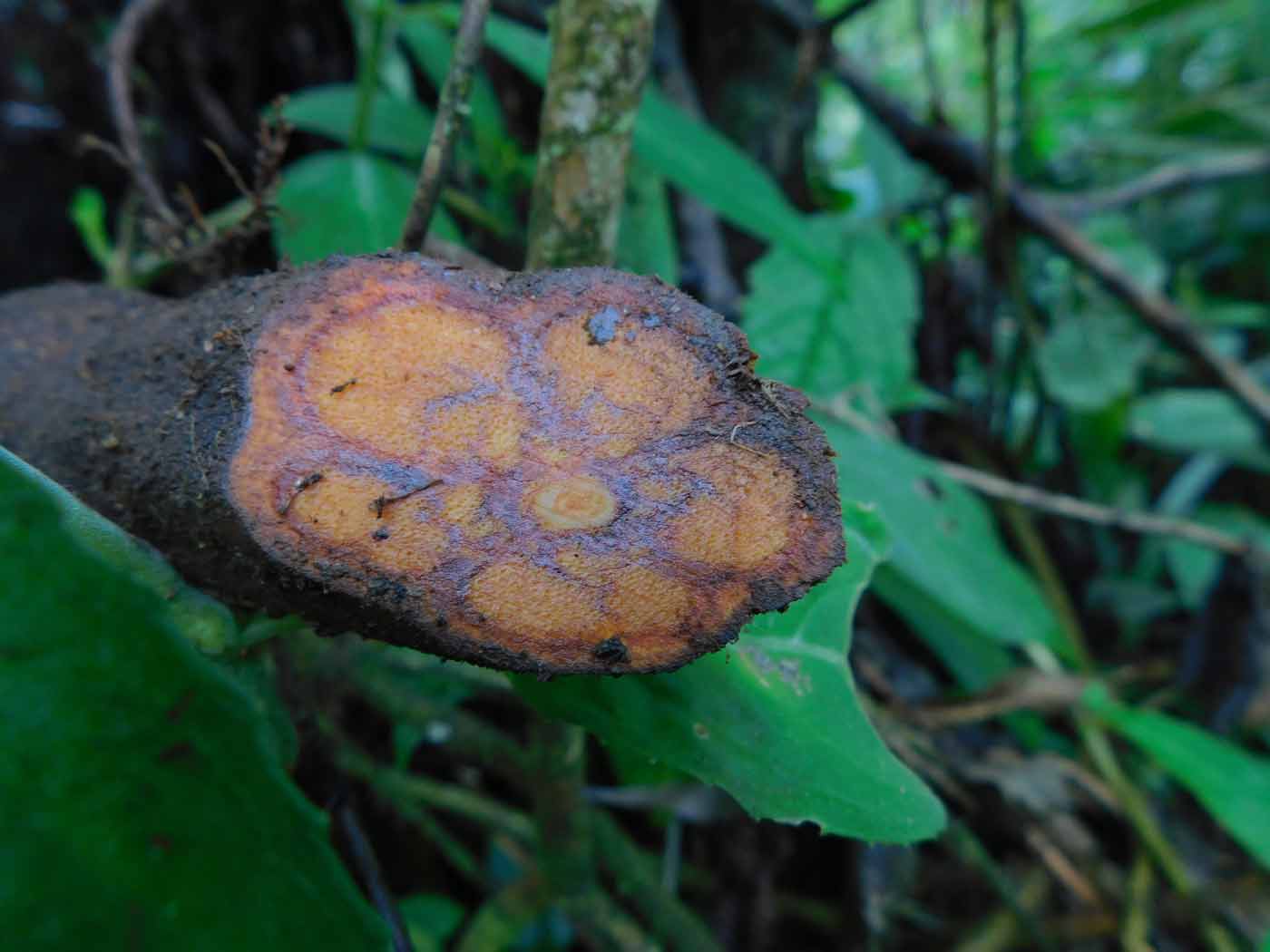
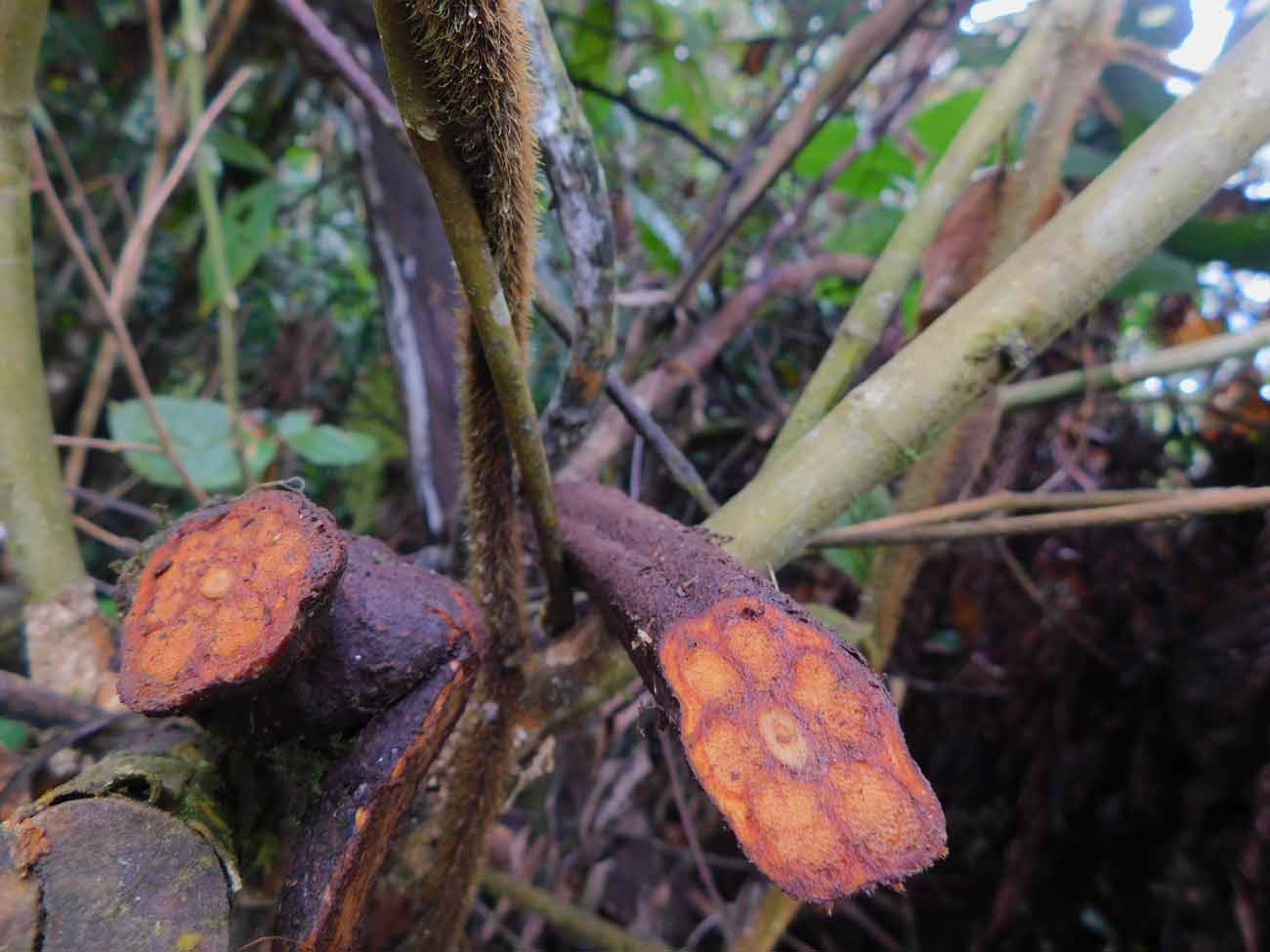
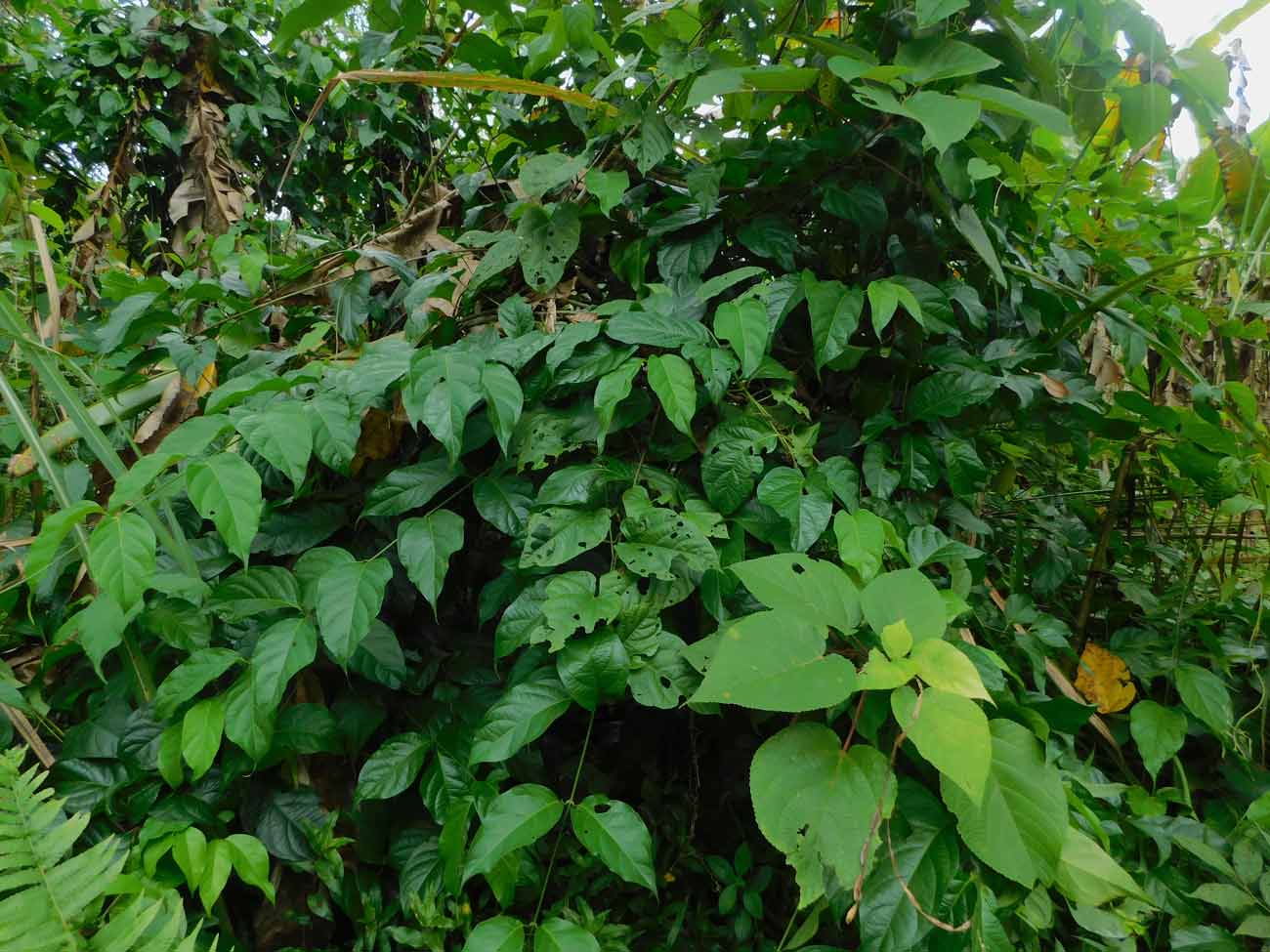
Most Taitas in Colombia prepare the Ayahuasca brew as a mixture of scraped Yagé vine cuts and Chagropanga – also known as Chagro, Chaliponga, or Oco-Yagé – leaves (Diplopterys cabrerana, a vine of the Malphighiaceae family, with opposite oval leaves); or else, Yagé cuts and Chacruna (Psychotria viridis) leaves, or else more, Yagé, Chagropanga and Chacruna. Incidentally, Chagropanga is also preferred in place of Chacruna by our palero shaman Don Armando, in Peru, in the making of Ayahuasca.
We are not aware of any traditional Taita adding Toé (Brugmansia suavolens, Brugmansia sp.), known locally as Borrachero, or Floripondio to the Yagé brew, albeit this plant may be used as component of purification rituals/cleansing of space, macerated in water alongside other plants and sprinkled as holy water (but not ingested).
Taita Alfredo holding a crystal sphere during an Ayahuasca ritual at night. The spirit of Yagé and the energy of a dragon! Photo: J. Imbachi Ⓒ El Mundo Magico
Some native shamans like our dear Taita Alfredo, also mix different varieties of Yagé – in his case 50% Yagé Tigre and 50% Yagé Cielo – with either Chagropanga or, less frequently, Chacruna (note that some Taitas use the two terms Chagropanga and Chacruna as both referring to Diplopterys cabrerana). The brew may be cooked from several hours (typically 8-11 hours), up until few days in a row (when preparing that exceptionally sweet brew that goes under the name of Miel de Yagé, i.e. “Ayahuasca honey”, which may take up to four days to be made), depending on the desired strength and concentration and on the purpose of the ceremony. The Yagé brew of Taita Gabino, for instance, has a very creamy consistency – it is, literally speaking, crema de Yagé (“Yagé cream”) – it tastes neither sweet nor bitter, and takes a long time to be prepared (well over 35 hours of constant cooking, over a traditional wood-fire).
The choice of preparing an Ayahuasca brew made only with Ayahuasca vine cuts and Chagropanga (or Chacruna) leaves, without usually adding extra plant additives is a wise one for a twofold reason. First, Chagropanga in terms of alkaloids content, is much stronger than Chacruna, and a Yagé brew prepared with the leaves of that plant will be naturally more powerful than a brew prepared only with Chacruna. To add yet more plant additives, would make the concoction only suitable to be drank by the most experienced and senior shamans, and in special occasions only. Second, before taking Ayahuasca mixed with different plant teachers, vines and master trees, one should do a proper diet with each and every one of those plants/vines/trees first (a precept often ignored by the mestizo curanderos of Peru – including those indigenous ethnic shamans who have been acculturated – who often indulge in the use of lots of different plant teachers, in the making of the Ayahuasca brew, to make it richer and more powerful).
Yagé retreat in Colombia and Ayahuasca retreat in Peru: the Yagé ceremony
In Colombia, the Yagé ceremony with the Taitas is usually an all-night business, in Peru it is – usually – not. Even though, in the specific case of the Yagé ceremonies part of the Yagé retreat with Taita Gabino, one may choose to journey for either the entire night, or only for part of it (as one feels more comfortable). Most traditional Taitas will close their Yagé ceremony at around dawn – 6:00 AM-7:00 AM – of the following day, at least when the ritual is not part of an intensive residential retreat (when several ceremonies will taking place in a comparably very short time frame). In Peru, that is an extremely rare, almost never heard of occurrence. The vast majority of ceremonies there close at around 11:00 PM-1:00 AM or, in extreme cases, 2:00 AM-3:00 AM. Whilst in Peru curanderos will allow women in fertile age in assisting in the preparation of Ayahuasca, in Colombia that won’t be allowed. The space consecrated to the preparation of the medicine is off limits to menstruating or pregnant women. Many Peruvian curandero/vegetalista shamans, with some due exceptions, will allow menstruating women (“en periodo de luna”) in their ceremonies, singing icaros over them for protection, but not a single Taita will knowledgeably allow that. Both Colombian and Peruvian Ayahuasca brews may be strong and powerful, depending on who prepares them, on the plant additives used, on the length of cooking of the brew, on what is the intent of the ceremony and on who is the intended receiver.

Gabriel (centre), our indigenous guide and representative, with Taita Querubín (right) and his wife (left), after a special Yagé meeting in a Resguardo Inga of Putumayo, Colombia. Photo Ⓒ J. Imbachi
Almost all Taitas use musical instruments during the Yagé sessions and they *usually* don’t sing icaros (they prefer the expression “medicine songs”, or “secret medicine songs” to the word “icaros”, possibly derived by the Quechua ikaray). Playing music (usually with the harmonica and/or a guitar, and/or in same cases also with drums) is instead the preferred choice during the Ayahuasca ceremonies. Taitas may also invite professional musicians to play music during important celebrations with Yagé.
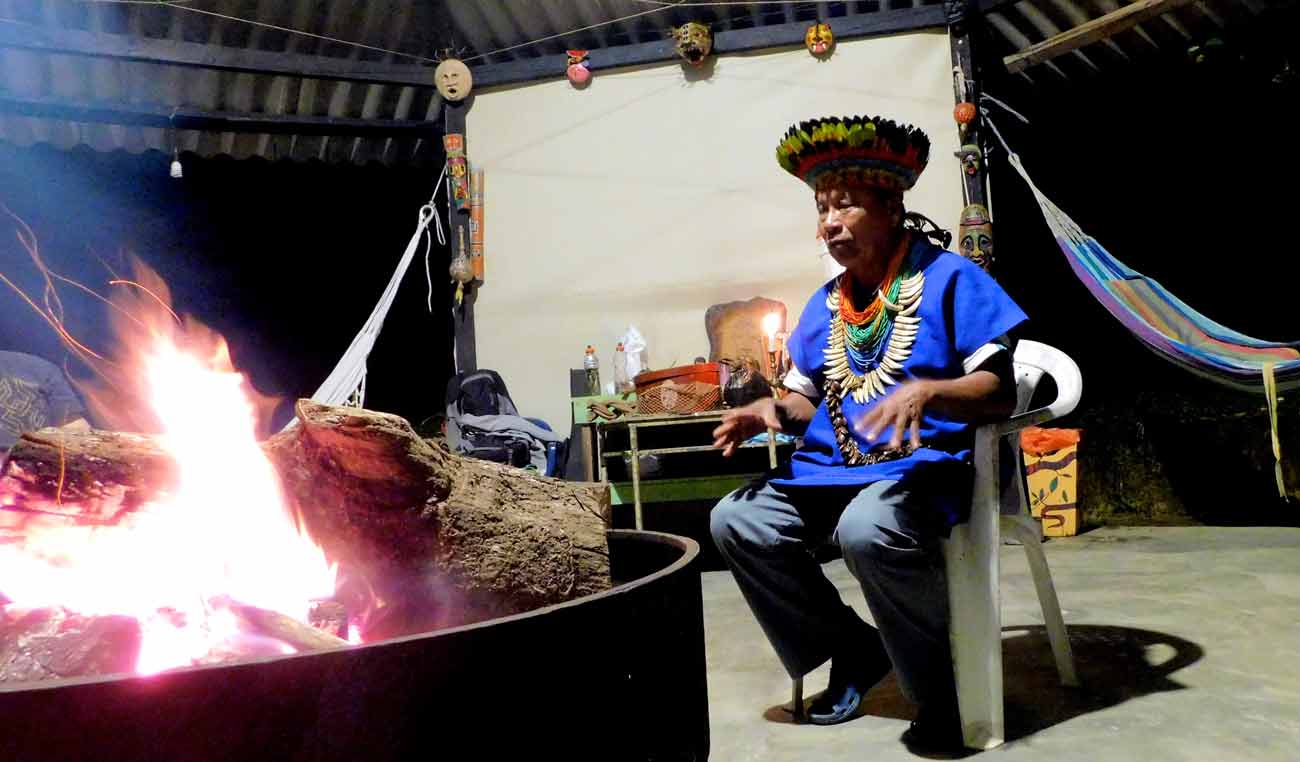
Last but not least, another special and distinctive feature of the Yagé rituals conducted by the Taitas is that these do almost always occur in the presence of light. Usually a bonfire and/or candles lit for the whole night. Whilst most shamans in Peru prefer to perform the Ayahuasca rituals in total darkness, music and light usually accompany the Yagé sessions in Colombia, where the Yagé ceremony is perceived as a fiesta, a celebration, a time for healing and happiness.
And not by chance, the traditional recommendations for the ceremonies are embedded in the words: “bien dormir, bien comer, bien pensar, bien hacer” (sleep well, eat well, think well and do well)!
Ready to go?? Continue to our amazing Yagé retreats to experience an incomparable journey of empowerment, wonder, healing and transformation.